Sweet Promise: A Script Font for Authentic Valentine's and Beyond
There’s a certain magic in a handwritten note, isn’t there? It feels personal, immediate, and full of genuine emotion. In a digital world saturated with polished, impersonal typefaces, finding a font that captures that authentic, handcrafted warmth can transform a good design into something truly special. Sweet Promise is a Valentine's Day Script font that does exactly that. It’s not just another decorative typeface; it’s a tool for injecting playfulness and sincerity into your creative work. Whether you’re a designer crafting a client’s brand identity or a small business owner creating social media graphics, this font offers a versatile charm that goes far beyond February 14th.
More Than Just a Holiday Font: The Visual Personality of Sweet Promise
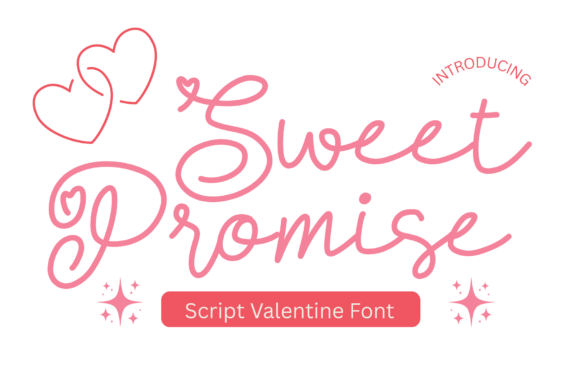
At its core, Sweet Promise is a modern script font with a distinctly human touch. Its letterforms flow with a natural, rhythmic bounce, mimicking the slight variations and imperfections of real handwriting. This isn’t a rigid, formal calligraphy; it’s friendly, approachable, and full of life. The visual characteristics include smooth, connected strokes and a balanced mix of thick and thin lines, giving it excellent readability even at smaller sizes. The overall appeal lies in its versatility—it feels celebratory and joyful for greeting cards and invitations, yet sophisticated and trustworthy enough for logo design and brand identity projects. It’s a premium font that understands the need for both style and substance, making it a valuable design asset in any creative’s toolkit.
When you look at Sweet Promise, you see a typeface that balances whimsy with clarity. The letter spacing is thoughtfully designed to prevent crowding, and the x-height is generous, which aids legibility. This makes it a practical creative font for body text in short bursts, like a pull quote in an editorial design or a tagline on a website. Its personality is adaptable: pair it with a clean sans serif font for a contemporary, balanced look in web design, or combine it with a classic serif font for a more elegant, layered feel in packaging design. The key is understanding its strengths—it excels where a personal, engaging tone is needed.
Practical Applications: Where Sweet Promise Truly Shines
The real value of a script font like Sweet Promise is measured in its real-world utility. Let’s break down where it can make a tangible difference in your projects.
For Branding and Marketing
A strong brand identity is built on consistency and emotional resonance. Sweet Promise can be a cornerstone of that identity, especially for businesses that want to convey approachability, creativity, and care. Think of a boutique bakery’s logo, a wedding planner’s stationery suite, or a handmade jewelry brand’s social media graphics. The font adds an immediate layer of personality and warmth that a standard display font might lack. In marketing materials, it can draw the eye to key messages in ads, email headers, or promotional flyers, creating a visual hierarchy that feels organic rather than forced.
For Digital and Print Publishing
In the realm of publishing, whether digital or print, typography guides the reader’s experience. Sweet Promise works wonderfully as an accent font in editorial design. Use it for chapter titles in a lifestyle magazine, pull quotes in a blog post, or subheadings in a cookbook. Its readability makes it suitable for these highlighted elements without causing eye strain. For bloggers and content creators, incorporating this font into graphics or featured images can strengthen visual branding and make content more shareable. In print, it’s perfect for planners, photo albums, and decorations, adding a cohesive, personal touch to physical items.
For Personal and Commercial Projects
The applications extend deeply into both personal and commercial spheres. Crafters and hobbyists will find it invaluable for creating custom greeting cards, scrapbooking elements, or personalized gifts. The font’s playful nature makes it ideal for children’s party invitations or thank-you notes. For entrepreneurs and small business owners, understanding the commercial licensing is crucial. Sweet Promise typically comes with a license that allows for use in commercial projects, from digital products to printed merchandise, making it a sound investment. Always review the specific license to ensure it covers your intended use, whether for a client’s logo design or a product line.
Integrating Sweet Promise into Your Workflow
Adopting a new font into your design process is about more than just liking how it looks. It’s about strategic integration. Start by evaluating project fit. Is the tone of your project celebratory, personal, or whimsical? If yes, Sweet Promise is a strong candidate. Next, test font pairings. Pair it with a geometric sans serif font like Montserrat for a clean, modern contrast, or with a transitional serif font like Georgia for a more traditional, readable combination. The goal is to create a clear visual hierarchy where Sweet Promise serves as the accent, not the overwhelming star.
Always review the included styles. A well-designed premium font often comes with alternates, ligatures, and stylistic sets. Sweet Promise may include swashes or alternate characters that allow for even more customization and flair, helping you avoid the “cookie-cutter” look. Pay close attention to readability considerations. While it’s highly legible for a script, avoid using it for long paragraphs of body text. It’s best used for headlines, short phrases, and emphasis. Finally, consider the professionalism and recognition it brings. A thoughtfully chosen, high-quality typeface like Sweet Promise signals attention to detail and elevates the perceived quality of your work, whether it’s a brand identity system or a set of social media graphics.
In the end, a great font is a partner in communication. Sweet Promise offers a blend of authenticity and versatility that can genuinely enhance your connection with your audience. It’s a tool that understands the power of a personal touch in a digital age. By applying it thoughtfully across your design assets—from web design to packaging design—you create a more engaging, cohesive, and memorable experience. So, add it to your toolkit, experiment with its possibilities, and enjoy the results it brings to your favorite projects.